Limonene Terpene
Limonene is the citrus terpene. It gives orange and lemon peel their smell, is the second most common terpene in cannabis, and is widely used in flavoring and cleaning products.
What is limonene?
Limonene is a cyclic monoterpene, C10H16, that exists in two mirror-image forms. D-limonene is the one that smells like oranges and is the form found in citrus peel and in cannabis. L-limonene smells more like pine and turpentine and is less common. When a terpene supplier sells 'limonene' they almost always mean d-limonene.
It is one of the highest-volume natural chemicals in the world. Citrus processing produces it by the tonne, and it ends up in household cleaners, degreasers, fragrances, candy and soft drinks. It is one of the most common food flavoring ingredients in use.
In a terpene profile, limonene reads as brightness. A few percent lifts an earthy myrcene base; more than that and the whole blend turns into lemon candy.
What does limonene smell like?
Bright citrus peel: orange, lemon and a touch of sweetness.
Aroma notes: citrus, orange, lemon, fresh.
Where limonene is found
Limonene occurs naturally in orange peel, lemon peel, lime, grapefruit, juniper, peppermint and rosemary. Every terpene Nature’s Own uses comes from botanical sources, never synthetic and never cannabis, and arrives with its supplier's certificate of analysis documenting its identity and purity.
Limonene in cannabis strains
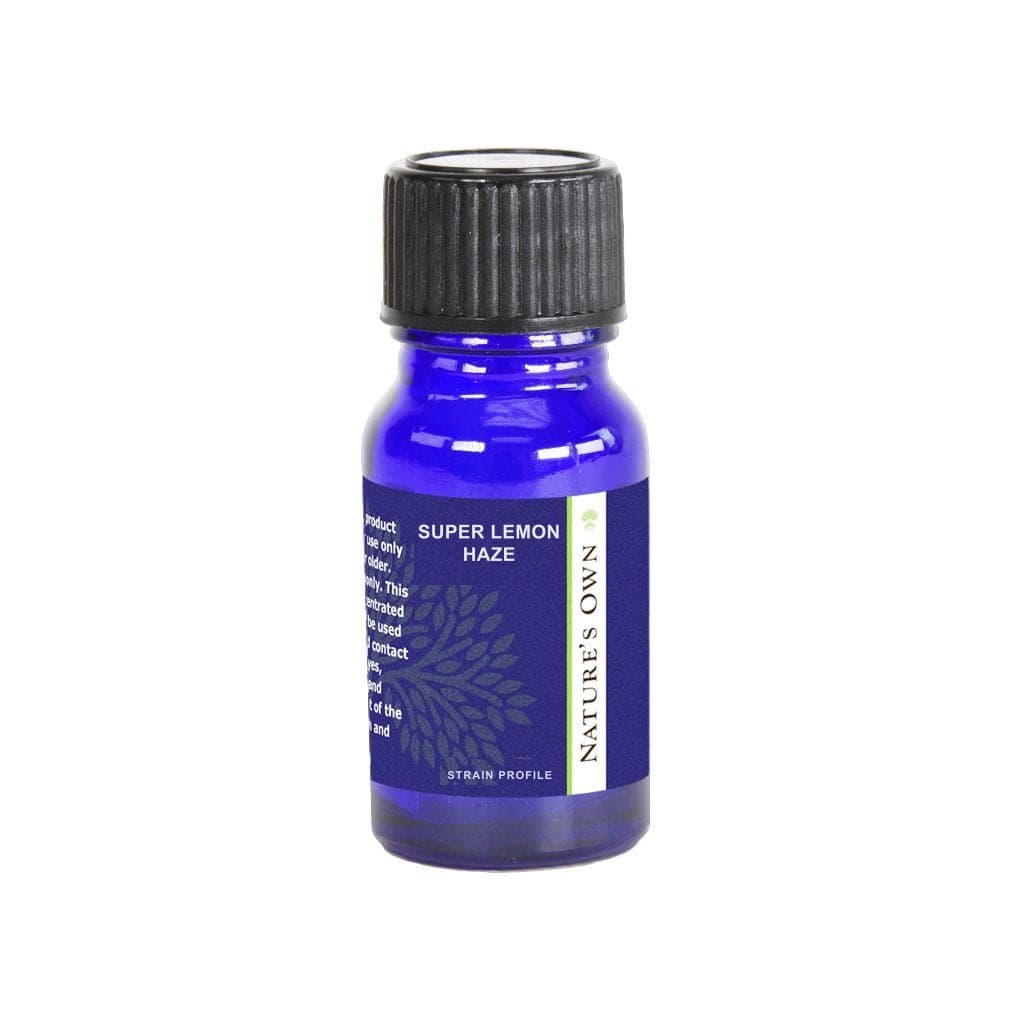
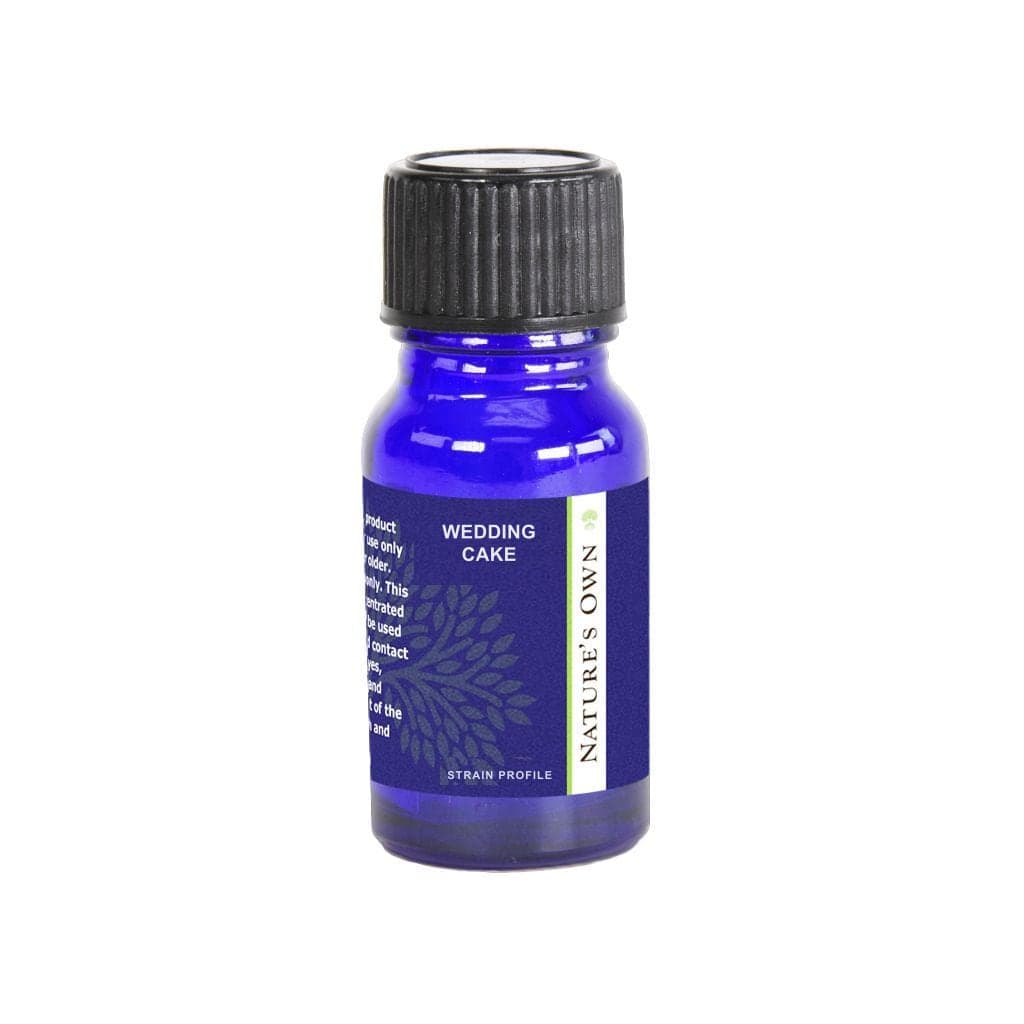
Limonene is the second most abundant terpene across commercial cannabis after myrcene, and the dominant one in most lemon, citrus and 'cake' lines. Super Lemon Haze, Lemon Skunk and Wedding Cake test limonene-dominant. In cannabis culture it is associated with uplifting, mood-brightening effects. Preclinical research on limonene is extensive, but human studies on inhaled limonene at the levels found in cannabis are not, so treat effect claims with caution.
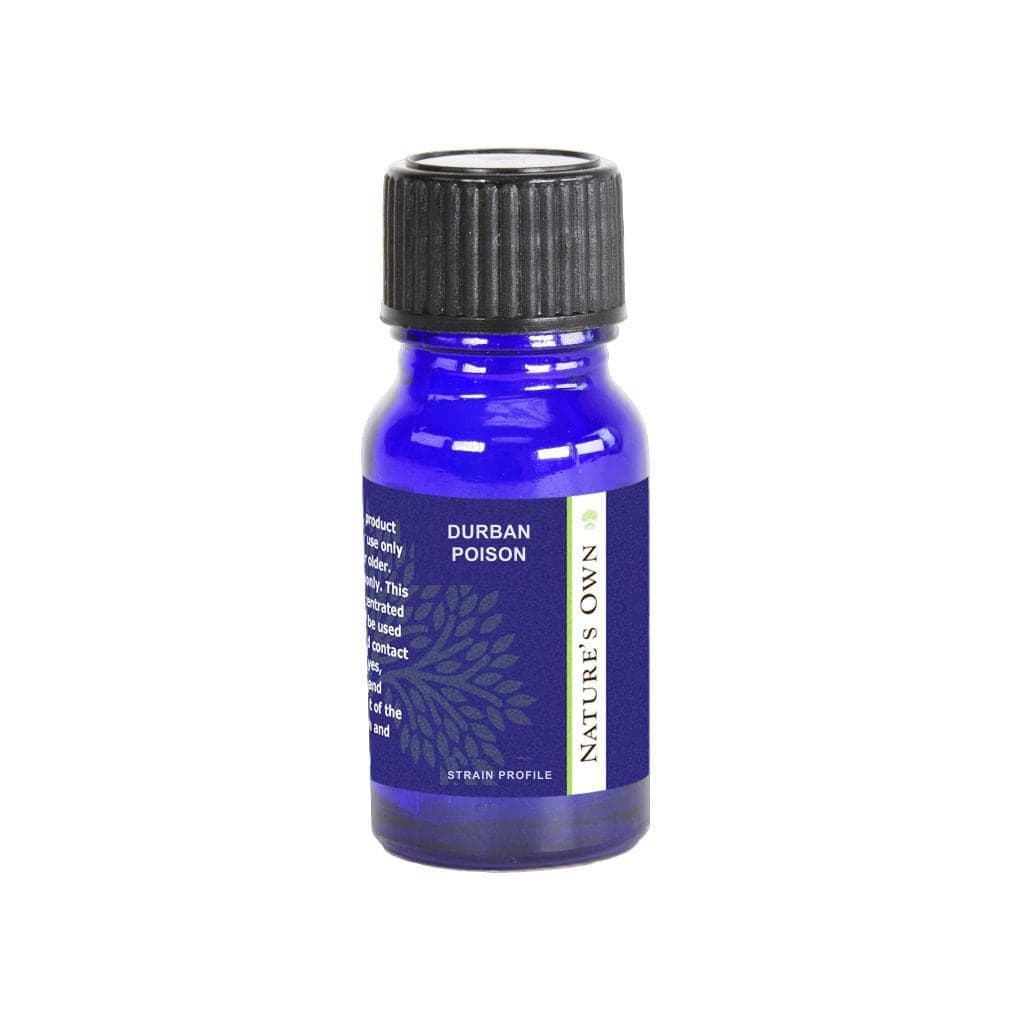
Cultivars commonly reported as high in limonene: Super Lemon Haze, Wedding Cake, Lemon Skunk, Durban Poison, Do-Si-Dos, Banana OG.
How to use limonene
- Strain profiles: the lead terpene in citrus and dessert profiles, usually 15 to 40 percent of the blend.
- Flavor: a clean citrus top note for beverages, candy and gummies. Food-grade limonene is standard in the flavor industry.
- Cleaning and degreasing: d-limonene is a solvent on its own, so keep it away from soft plastics and rubber seals.
- Candles and soap: holds up well in cold-process soap and in soy wax at 1 to 3 percent.
Need exact amounts? The terpene mixing calculator works out dilution for distillate, vape cartridges, edibles, candles and soap.
Limonene FAQ
What is the difference between d-limonene and l-limonene?
They are mirror-image molecules. D-limonene smells like orange and is what citrus peel and cannabis produce. L-limonene smells piney and is found in some conifer oils. Terpene suppliers sell d-limonene unless stated otherwise.
Which strains are high in limonene?
Super Lemon Haze, Lemon Skunk, Wedding Cake, Durban Poison, Do-Si-Dos and most cultivars with 'lemon' or 'cake' in the name test limonene-dominant.
Is limonene safe to vape?
Limonene is a common ingredient in cannabis vape formulations at low total terpene percentages. Like all terpenes it should be diluted, and oxidized (old, open-bottle) limonene should be discarded because oxidation products are skin sensitizers.
What is limonene's boiling point?
About 176 °C (349 °F) at standard pressure.