Food Grade Terpenes: Choosing Terpenes for Food and Beverage Flavoring
Terpenes are some of the most widely used flavoring ingredients in food. Before you put any terpene product in something people will eat, check what is in the bottle, how it was tested, and how much to use.
What "food grade" should mean for terpenes
"Food grade" is not a single certification stamped on a bottle. In the US, flavoring substances are regulated by the FDA, and many individual terpenes, including limonene, linalool and citral, are long-established flavoring ingredients. What makes a terpene product suitable for food is what else is in it and how it was handled. Before formulating, ask any supplier for:
- A certificate of analysis for the specific batch, showing its terpene composition by GC-MS.
- Heavy metals, residual solvent and pesticide results.
- Confirmation of what the product contains besides terpenes: carriers, diluents or colors.
- A safety data sheet for handling.
What Nature’s Own documents and discloses
- 100% plant-derived terpenes from non-cannabis botanical sources, with no artificial colors, fillers or cutting agents.
- Food-grade ingredients from GMP- and ISO-certified suppliers. Every terpene we blend with arrives with its supplier's certificate of analysis, documenting the identity and purity of each ingredient.
- A spec sheet with the formulation breakdown for every product. Batch COAs for finished products are on the way for every profile; until then, request ingredient COAs or a spec sheet through our contact form.
- Our products are sold for food and beverage flavoring, aromatherapy, cosmetics and candle making. Buyers are responsible for compliance with local regulations for their finished products.
How much terpene to use in food
Edibles need far less terpene than vapes or distillate: typically 0.5 to 2 percent. Terpenes do not dissolve in water, so mix them into a fat-based carrier such as butter, coconut oil, MCT oil or chocolate. For gummies, add terpenes after the base has cooled below 160 °F (71 °C) and before pouring into molds; heat drives off the volatile compounds. A standard dropper gives about 20 drops per mL, which makes small batches easier to measure. The mixing calculator has edibles and gummies presets.
Which of our terpenes suit food flavoring
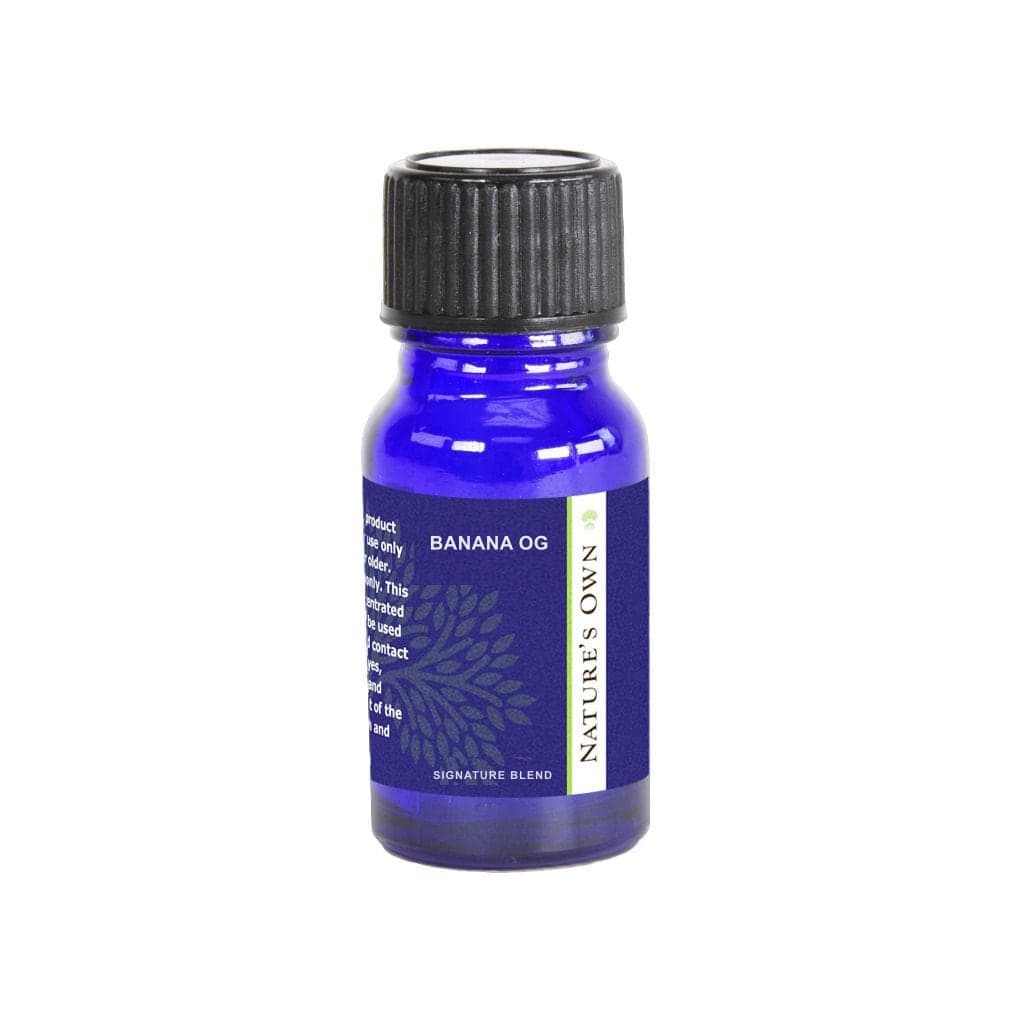
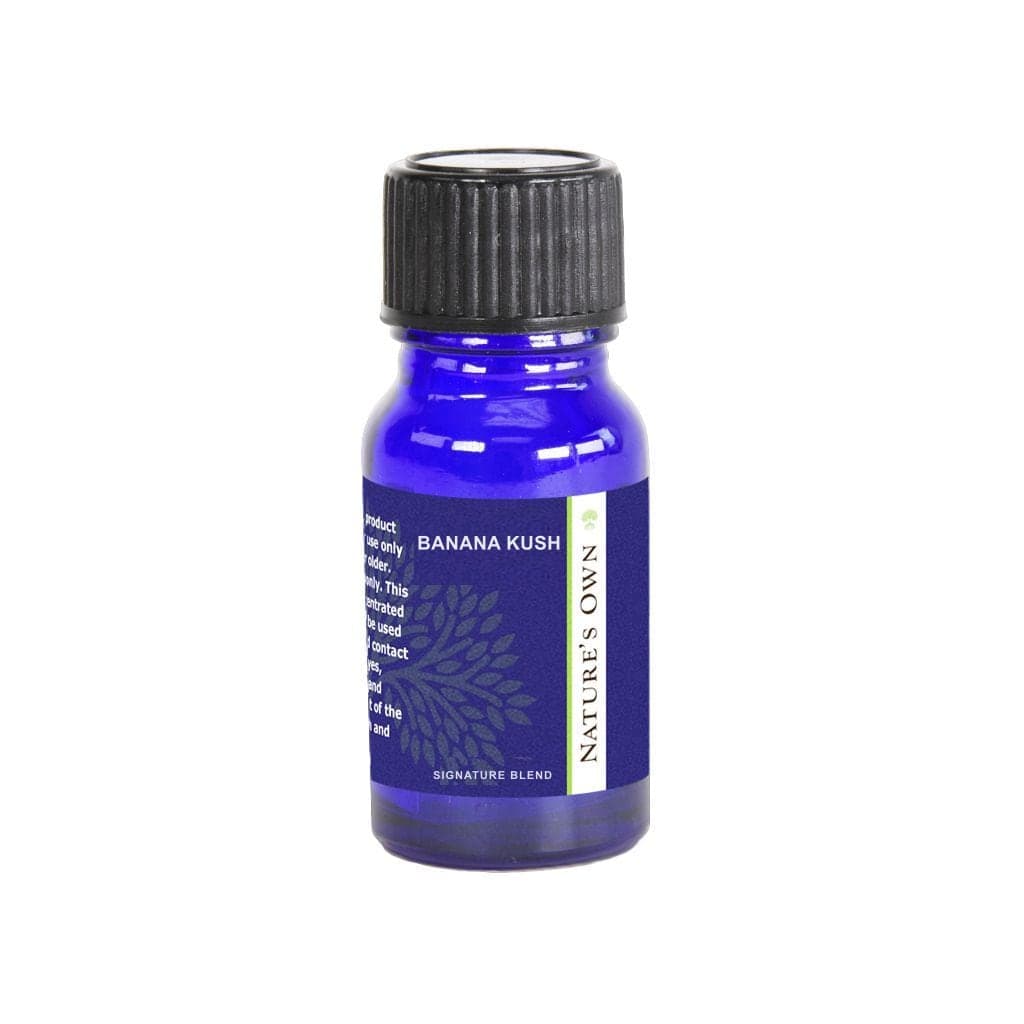
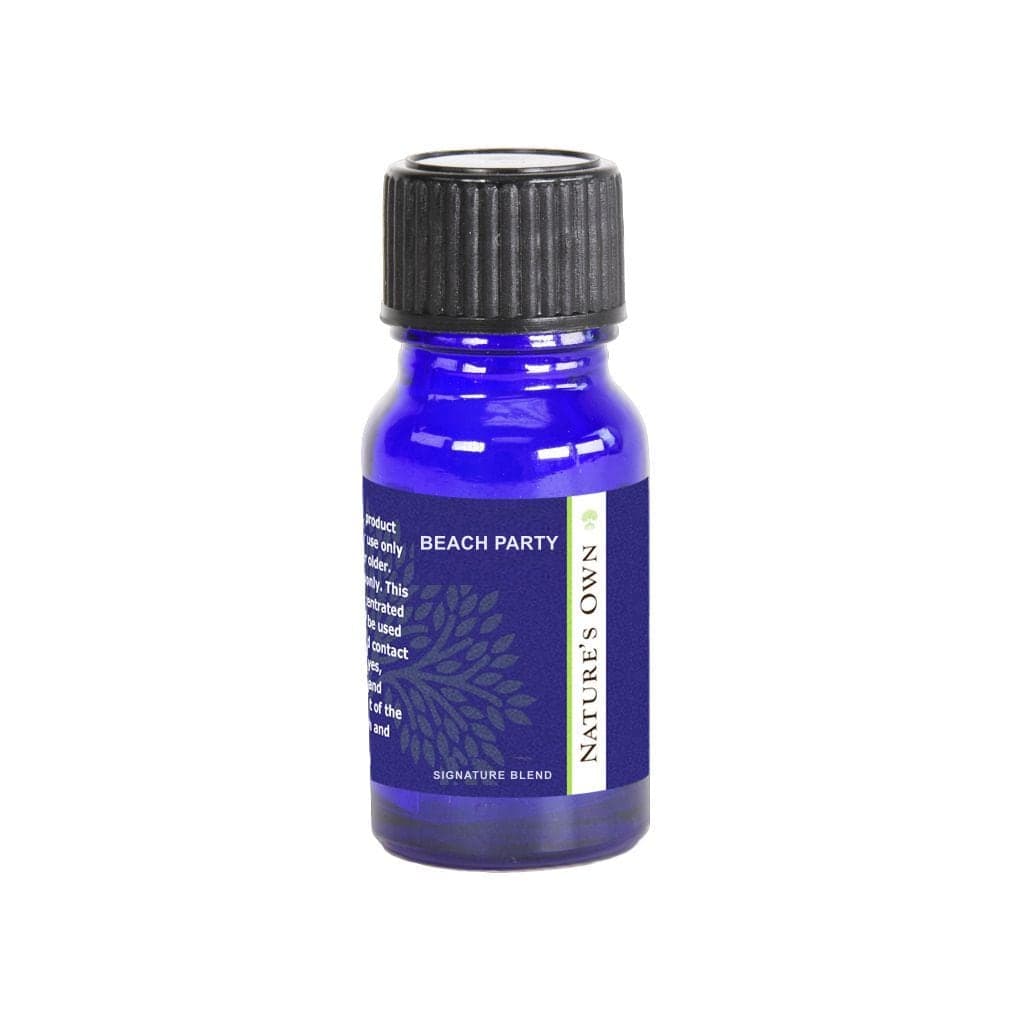
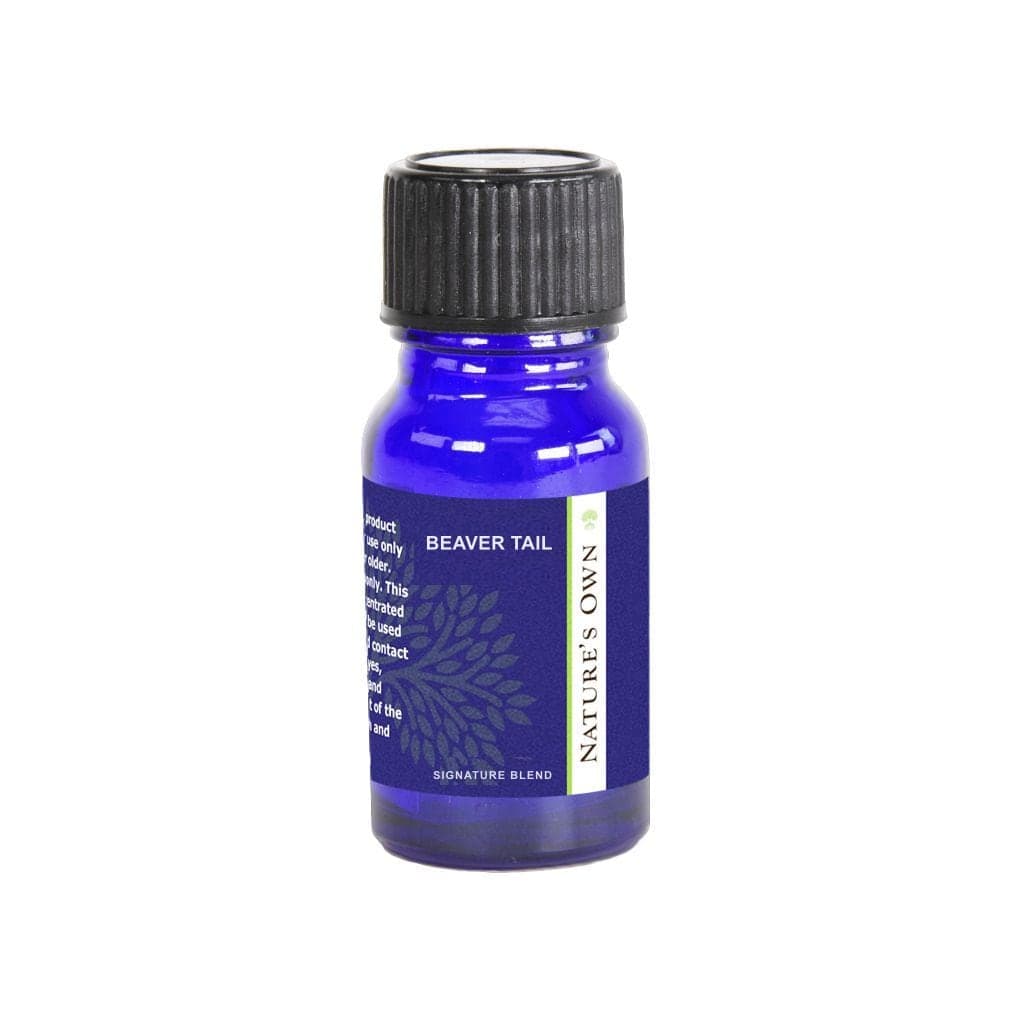
95 of our 162 products list food and beverage flavoring among their best uses, mostly dessert, fruit and candy blends. A few to start with are shown below; each product page lists its recommended applications.
Frequently asked questions
Can Nature’s Own terpenes be used in food?
Our terpenes are sold for food and beverage flavoring as well as aromatherapy, cosmetics and candle making. They are 100% botanical and made from food-grade ingredients supplied by GMP- and ISO-certified suppliers, and every terpene ingredient arrives with its supplier's certificate of analysis. Request ingredient documentation or a spec sheet through our contact form before you formulate.
How much terpene should I add to edibles?
Typically 0.5 to 2 percent. Terpenes are potent flavoring agents, so start low and mix them into a fat-based carrier such as butter, coconut oil, MCT oil or chocolate.
When should I add terpenes to gummies?
After the gummy base has cooled below 160 °F (71 °C) and before pouring. Higher temperatures drive off the volatile compounds.
Do your terpenes contain THC or CBD?
No. They come from non-cannabis botanical sources and contain zero THC, CBD or other cannabinoids.
Can I use terpenes undiluted?
No. Terpenes are concentrated and should always be diluted into a carrier or formulation.