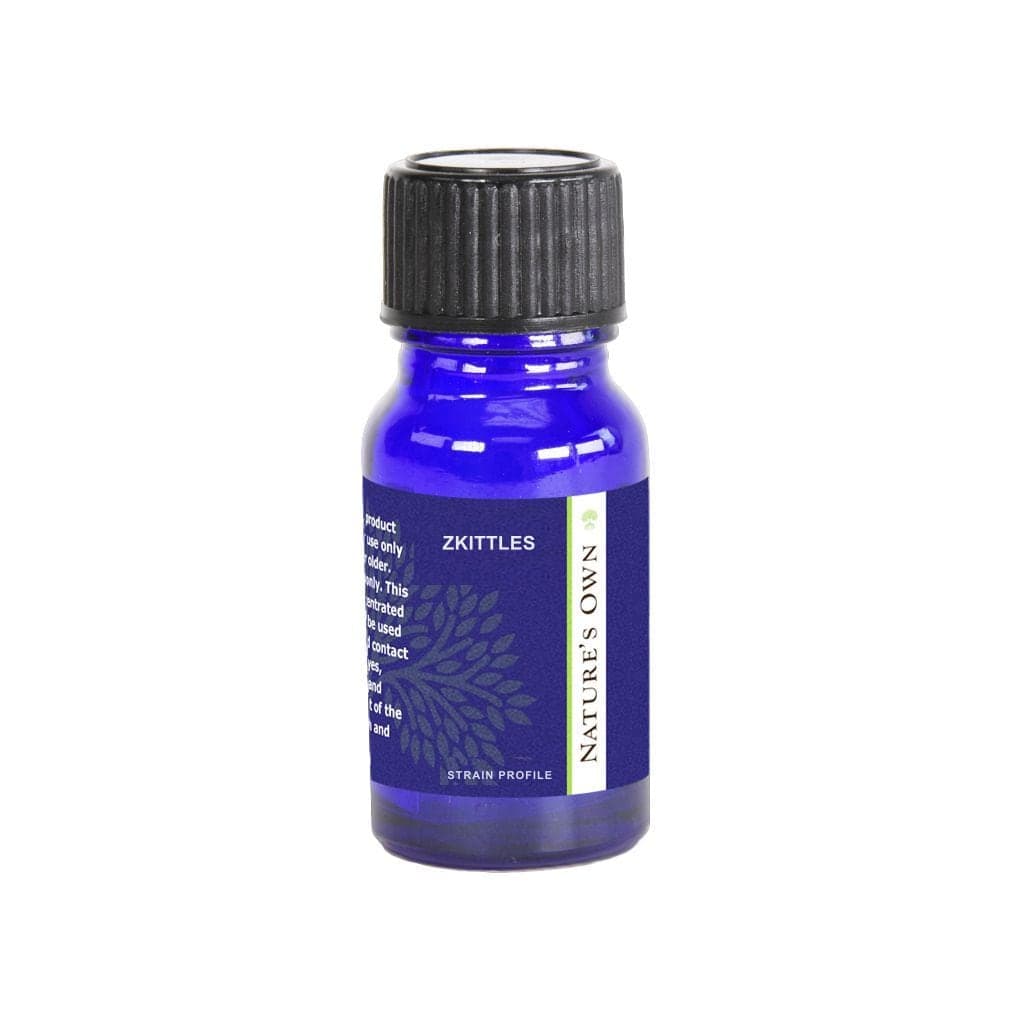
Linalool Terpene
Linalool is the lavender terpene: a floral, slightly spicy monoterpene alcohol found in over 200 plants and in many purple and dessert cannabis cultivars.
What is linalool?
Linalool is a monoterpene alcohol, C10H18O, and the compound most responsible for the smell of lavender. It also appears in coriander, basil, bergamot and rosewood, and the fragrance industry uses it in a very large share of perfumes, soaps and detergents.
It smells floral first, with a soft spice and a faint citrus or woody undertone depending on which optical isomer dominates. In a terpene blend linalool softens edges: a few percent takes the sharpness off a limonene-heavy citrus profile or adds a floral lift to an earthy one.
Linalool is widely used as a food flavoring and is one of the most studied terpenes for aroma effects in humans, mostly in the context of lavender oil.
What does linalool smell like?
Floral lavender with a soft spicy, slightly citrus finish.
Aroma notes: floral, lavender, spicy, sweet.
Where linalool is found
Linalool occurs naturally in lavender, coriander seed, sweet basil, birch bark, rosewood, bergamot and jasmine. Every terpene Nature’s Own uses comes from botanical sources, never synthetic and never cannabis, and arrives with its supplier's certificate of analysis documenting its identity and purity.
Linalool in cannabis strains
Linalool is rarely the top terpene in cannabis but is a frequent secondary one, especially in purple, 'cookies' and dessert lines. Lavender, Do-Si-Dos, Zkittlez and Granddaddy Purple report meaningful linalool. In cannabis culture it is associated with calm and relaxation, a reputation borrowed from lavender aromatherapy. Lab work on linalool is substantial, but the human evidence is mostly on lavender oil rather than isolated linalool at vapor concentrations.
Cultivars commonly reported as high in linalool: Lavender, Do-Si-Dos, Zkittlez, Amnesia Haze, Kosher Kush, Granddaddy Purple.
How to use linalool
- Strain profiles: a supporting note at 3 to 10 percent of the blend in floral, purple and dessert profiles.
- Candles and soap: a reliable floral at 1 to 3 percent; it survives cold-process soap well.
- Cosmetics: common in lotions and body care. Linalool is a listed fragrance allergen in the EU, so label it if you sell into Europe.
- Flavor: small amounts in berry, grape and floral beverage flavors.
Need exact amounts? The terpene mixing calculator works out dilution for distillate, vape cartridges, edibles, candles and soap.
Linalool FAQ
What does linalool smell like?
Lavender, with a light spice and a sweet, slightly citrus finish. It is softer and rounder than most other monoterpenes.
Which strains have the most linalool?
Lavender, Do-Si-Dos, Zkittlez, Amnesia Haze, Kosher Kush and Granddaddy Purple are commonly reported as linalool-rich.
Is linalool the same as lavender oil?
No. Lavender essential oil is roughly 25 to 45 percent linalool plus linalyl acetate and other compounds. Linalool is a single molecule isolated from plants or produced from other botanical terpenes.
What is linalool's boiling point?
About 198 °C (388 °F) at standard pressure.